Rusted Rod Crack Behind a Kitchen Sink in a Granite Countertop, Bath Beach, Brooklyn
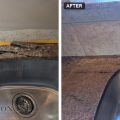
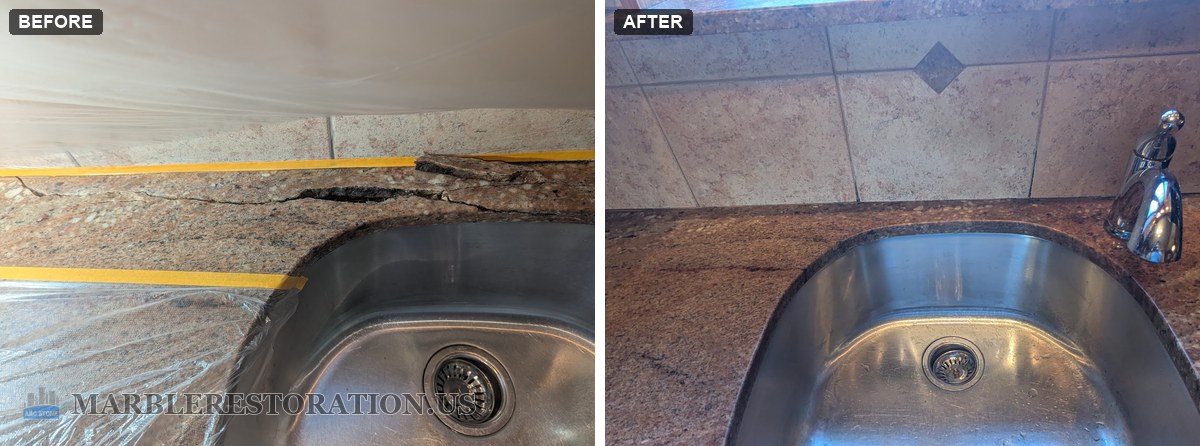
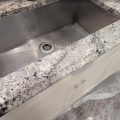
A crack behind the kitchen sink, along the whole narrow strip of granite between the sink and the backsplash. In the middle a piece over the crack was loose, and at the right end a thin layer of the top was lifting off. Under the loose piece was the cause: a rusted metal rod inside the stone. I filled the crack, set the loose piece back in, glued the lifting layer back down, ground and polished the crack line and re-caulked the sink, with the rod left in. The job was in Bath Beach, Brooklyn, NY 11214, in southwest Brooklyn, Kings County, next to Bensonhurst and Gravesend Bay.
What was inside the crack
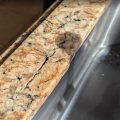
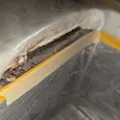
The owner sent me a short video first. It looked like a classic rod crack: one long line running parallel to the edge of the sink cutout. On the work day I pulled the loose piece out of the middle of the crack. The rod was right under it, dark brown, layered with rust, and still wet.
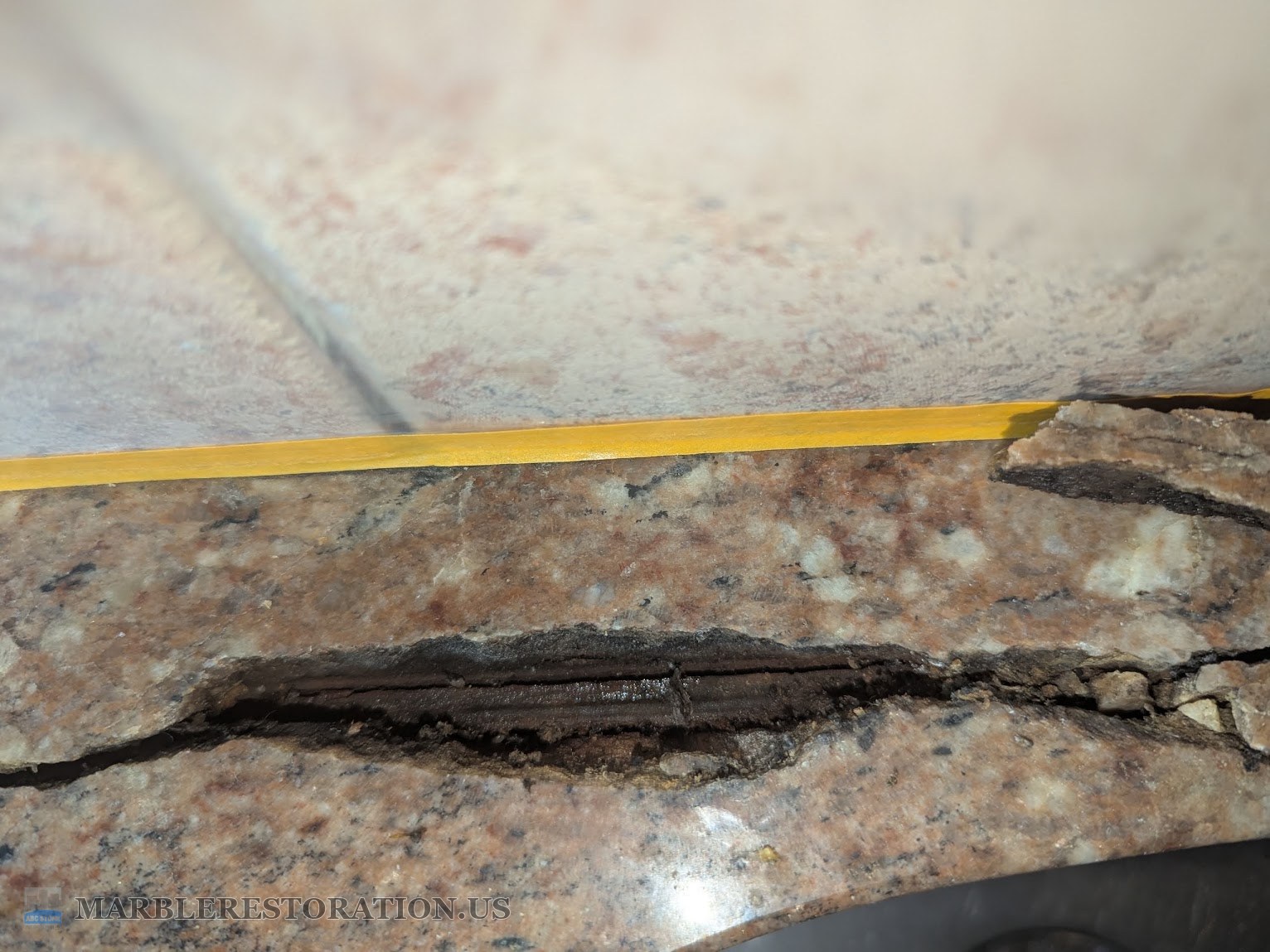
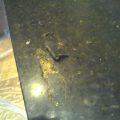
Fabricators glue a metal rod into a groove cut on the underside of the slab, to strengthen the narrow strips around a sink cutout. A plain steel rod rusts once water gets to it, and behind a sink water gets to it, through old caulking around the sink and from the faucet. Rust takes more room than the steel it comes from. It pushes the stone apart from the inside, slowly, until the top cracks along the rod. Here it went one step further. At the right end the top layer started to lift over the rod, the same way a chip pops up on the surface over a rusted rod.
Filling it with the rod still in
The work was a crack fill, with the crack line ground and polished on top of it. It was a one-day job:
- cleaning out the crack, as deep as reachable
- filling it with colored flowing (liquid) epoxy, matched to the pink and gray of the granite
- setting the loose piece from the middle back in with epoxy
- gluing the lifting layer at the right end back down
- scrubbing off the excess epoxy
- grinding and polishing the crack line
- re-caulking around the sink with clear silicone
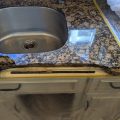
The epoxy is liquid when it goes in, so it runs down into the crack and around the rod, not only on top. The new caulking matters too. Clear silicone around the sink closes the way in for water, and that may help slow the rusting. The cabinet, the floor and the backsplash were covered with plastic drop cloths, you can see them in the before photo.
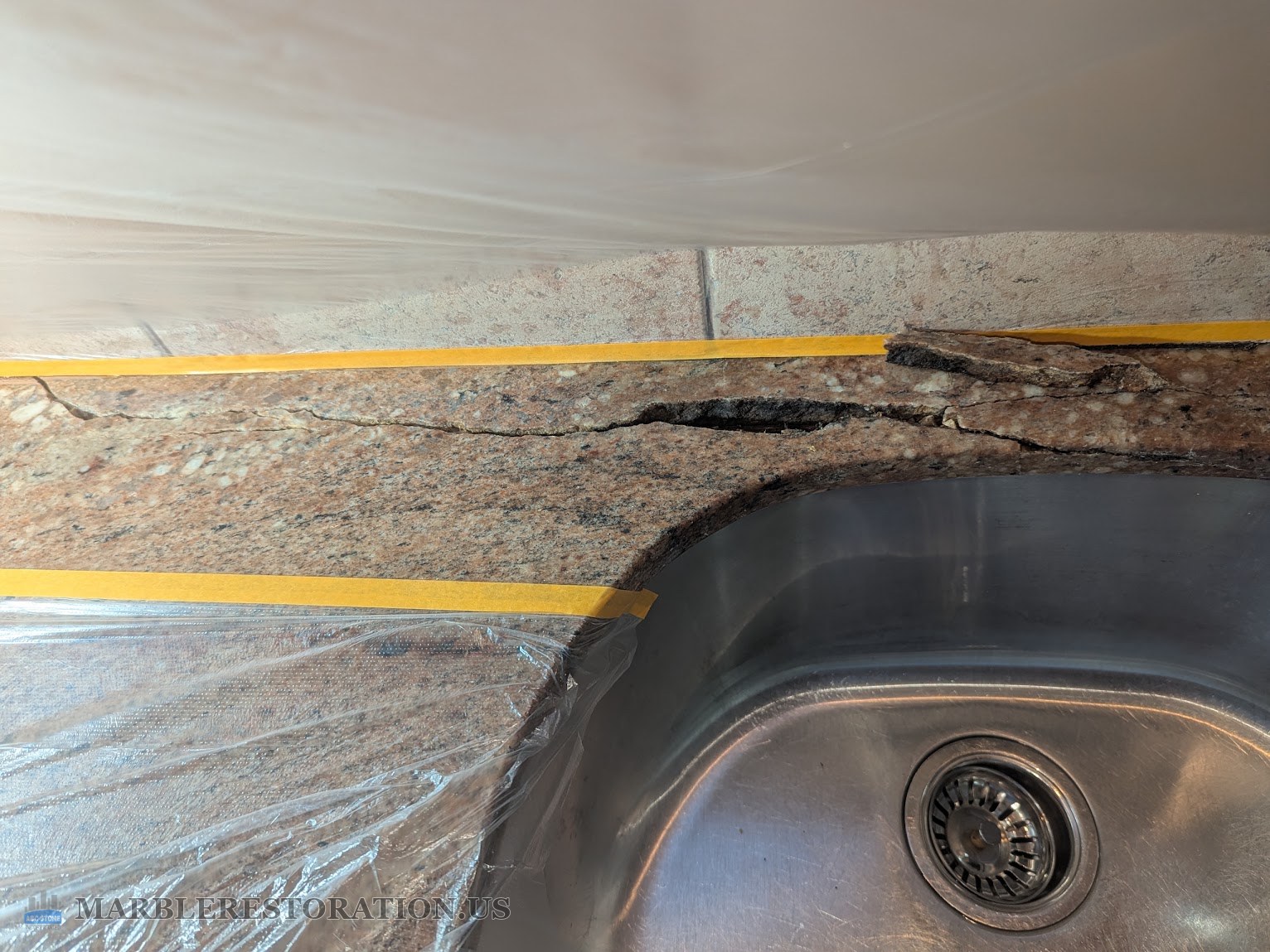
The rod is still in there
This was a fill, not a rod removal, and the owner knew what that means before the work:
- The crack line can be noticeable, and it can be felt on touch.
- The rod stays in, and it was still wet. It can keep rusting, and the crack can open again, in the same place or a new one.
- The ground and polished line can look different from the factory finish around it. On granite a polished spot comes out flat, but it can be a little less shiny than the rest.
- The caulking may help slow the rusting. It doesn’t stop it.
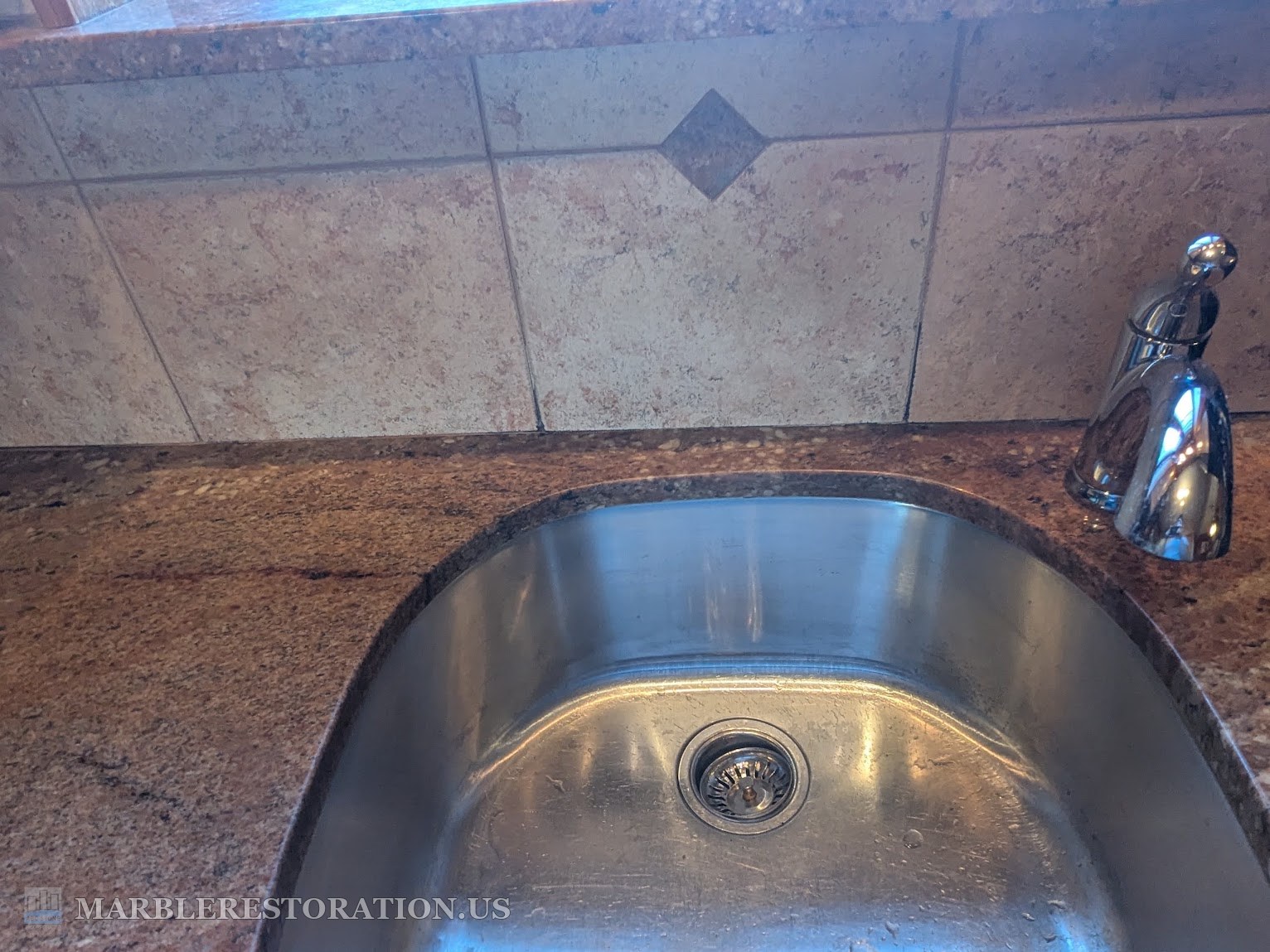
Taking the rod out, the bigger repair
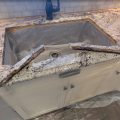
The repair that lasts longer takes the rod out. The cracked strip is cut or broken off, the rusted rod comes out, the pieces are set back with colored epoxy, and the lines are sanded and polished. It leaves more visible lines and seams, and some parts of the rod may not come out, but the repair lasts longer. Two other granite tops went that way, an Uba Tuba and a Bordeaux, with the rods cut out and the stone set back. A rod does the same thing in marble, like the long crack in a Crema Marfil banjo vanity.
Questions people ask about a crack behind the sink
Can a crack behind the kitchen sink in a granite countertop be repaired without replacing the countertop?
Yes. The crack is cleaned out, filled with colored epoxy, and the line is ground and polished, with the top in place. The line stays visible.
Will a rusted rod crack come back?
It can. If the rod stays in, it can keep rusting and open the crack again, in the same place or a new one. Taking the rod out makes the repair last longer.
Why does granite crack only by the sink?
The rods are there, in the narrow strips around the sink cutout, and so is the water.
If your granite or marble countertop has a crack behind or in front of the sink, send me a few photos or a short video of it, and tell me how long the crack is. I’m based in Brooklyn and work all over Brooklyn and New York City. Email info@marblerestoration.us.
More about rusted rod cracks repair
Submit Your Order or Ask a Question:
You'll get a response within a few minutes or hours and usually not longer than 24 hours.
 Fixed Crack in Front of Sink in Ubatuba Granite Countertop
 Metal Rod Removed and Crack Fixed
 Front Sink Crack in Granite
 Crack in Front of Sink in Ubatuba Granite Countertop
 Metal Rod Rusting Issue in Granite Countertop
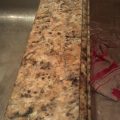 Countertop Crack on Front by Sink Repair
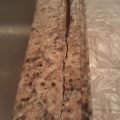 Granite Countertop Cavity / Crumbling by the Sink
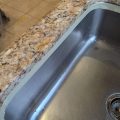 After Front Sink Crack Repair
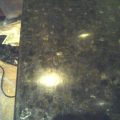 UbaTuba Countertop Crack on Top Surface Repair
 Granite Countertop Metal Rod Removal
 Rusted Rod Cracks in Countertops Repair
 Fixed Granite Countertop After Metal Rod Removal
 Chip on Surface Caused by Metal Rod