
Limestone Bathroom Floor with Dirty Spots and Grime Before Cleaning
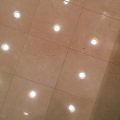
The limestone tiles in this bathroom floor have accumulated significant soiling over time. The light beige surface shows concentrated dark spots, brownish staining near the base of fixtures, and a general buildup of dirt in the grout lines. The surface finish appears dull and uneven as a result.
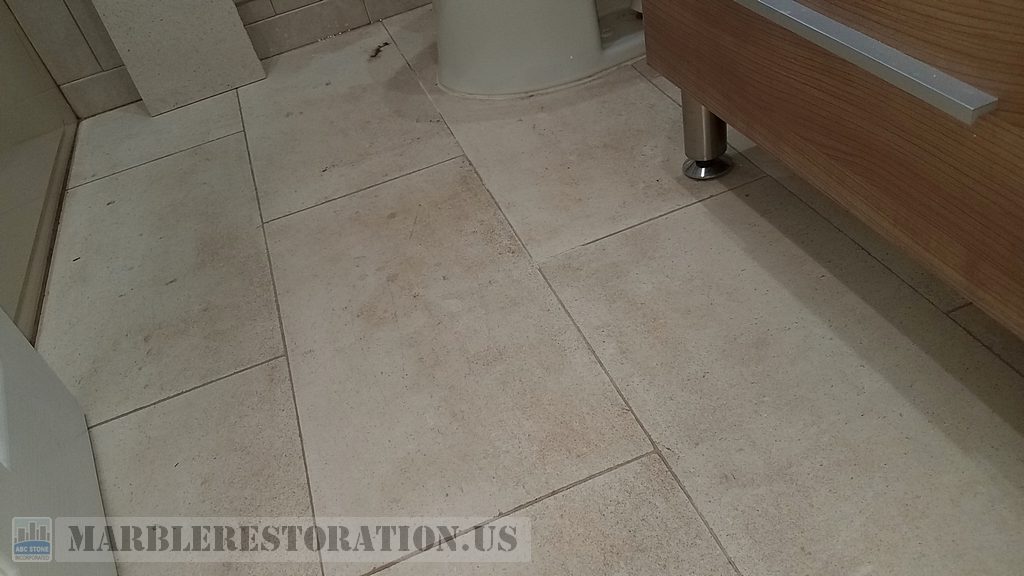
Limestone is a porous natural stone and absorbs both water and organic matter readily without proper sealing. The spotting visible here is typical of a floor that has been in regular use without a functioning sealer. Cleaning products used in bathrooms, especially anything with acidic ingredients, also contribute to surface damage and discoloration over time.
The correct approach to cleaning a limestone floor like this involves pH-neutral stone cleaners that lift embedded grime without attacking the stone surface. Abrasive or acidic products would cause etching and further damage. Once the floor is thoroughly cleaned, honing or polishing can restore the surface uniformity, and fresh sealing protects against future staining.
Restoring a limestone floor to a clean, even appearance also improves the grout lines, which can trap and hold dirt even more readily than the stone itself. Grout cleaning and recoloring are often done in the same session as the stone restoration.
Submit Your Order or Ask a Question:
You'll get a response within a few minutes or hours and usually not longer than 24 hours.
 Bathroom Limestone Floor Cleaning and Brightening
 Glass Mosaic Bathroom Floor before Grout Cleaning
 Limestone Floor by Building Elevator After Sanding and Re-Grouting
 White Carrara Bathroom Floor after Re-Polishing and Re-Grouting
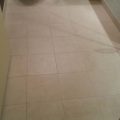 Marble Floor Grout Cleaning
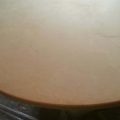 Round Beige Limestone Coffee Table after Crack Repair and Refinishing
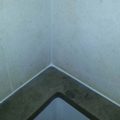 After Recaulking Cleaning Limestone Tubtop
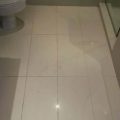 Porcelain Bathroom Floor Before Re Grouting
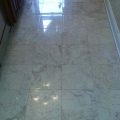 Tiled Kitchen Marble Floor Shine Finish
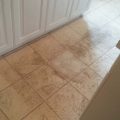 Extremely Dirty Kitchen Floor And Grout
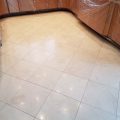 Dull Kitchen Floor Before Cleaning and Polishing
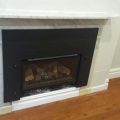 White Marble Fireplace After Cleaning and Seams Patching
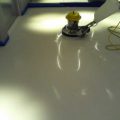 Porcelain Floor Tile Buffing and Shine Restoration in Progress
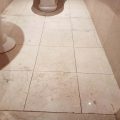 Cracked Guest Bathroom Shadow Floor
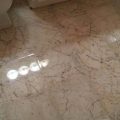 White Carrara Marble Bathroom Floor After Polishing and Re-Grouting
 Glass Mosaic Bathroom Floor With New White Grout
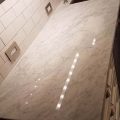 White Carrara Marble Countertop after Acid Etch Drops Removal and Honing
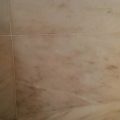 Marble Shower Wall with Yellow Spill Stains after Partial Removal
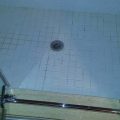 Ceramic Mosaic Shower Stained Grout Cleaning
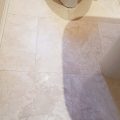 Cleaned Small Restroom Floor
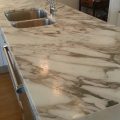 Calacatta Gold Marble Countertop with Spotting Finish Imperfections
 Crema Marfil Kitchen Floor after Polishing
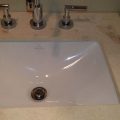 Efflorescence Beige Limestone Vanity
 Fogging Cloudy Spot On Round Table Surface