
Slatestone Fireplace After Lacquer Stripping – Natural Surface Revealed
This slatestone fireplace had been coated with lacquer at some point, a common but problematic treatment that traps moisture and eventually causes the finish to bubble, peel, and deteriorate. Here the lacquer has been fully stripped from the slate surface, exposing the raw stone underneath.
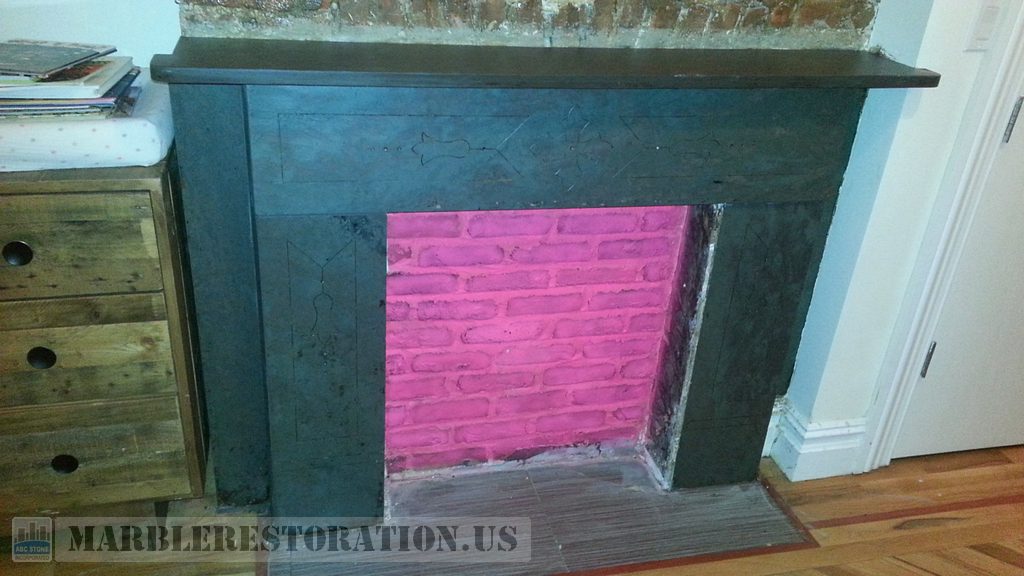
The stripped surface shows the natural dark gray tone of the slate along with its characteristic matte texture and the subtle layered grain patterns unique to this stone. Residual discoloration from the old lacquer is visible in places, which is typical at this stage before final cleaning and treatment. These traces are addressed in subsequent cleaning steps.
Slate fireplaces are fairly common in older residential buildings, where the material was valued for its heat resistance and distinctive appearance. Lacquer was sometimes applied to darken the color or add a sheen, but over time the coating degrades and can become difficult to remove without damaging the stone surface. Professional chemical stripping allows the lacquer to be dissolved and lifted without abrasion.
Once the stripping is complete and the surface cleaned, the homeowner can choose how to proceed. The slate can be left with a natural matte finish, treated with a color-enhancing penetrating sealer, or polished depending on the desired look. The cleaned fireplace in this photo is ready for that next step.
Submit Your Order or Ask a Question:
You'll get a response within a few minutes or hours and usually not longer than 24 hours.
 Dirty Waxed Fireplace before Stripping
 Gray Slatestone Victorian Fireplace before Restoration
 Calacata Gold Kitchen Island Matte Finish
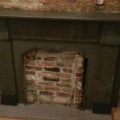 Dirty Waxed Victorian Slate Fireplace Cleaned
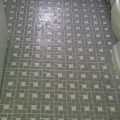 Wax Stripping and Cleaning from Ceramic Mosaic Tiles
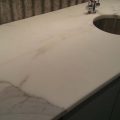 Marble Vanity After Etched Rings Removal and Surface Honing
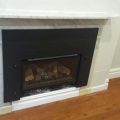 White Marble Fireplace After Cleaning and Seams Patching
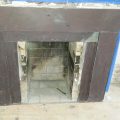 Discoloured Victorian Slate Fireplace
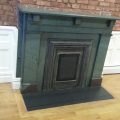 Cleaned Textured Victorian Slate Mantelpiece
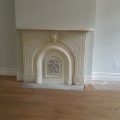 White Marble Fireplace Arch Rebuilt from Individual Carved Pieces
 Old Fireplace Cleaned Polished To Gloss
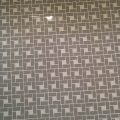 Ceramic Mosaic Wax Stripped Cleaned
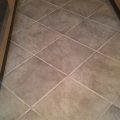 Cleaned Gray Grout Kitchen Porcelain
 Fogging Cloudy Spot On Round Table Surface
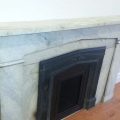 Fireplace Face Cleaning Service
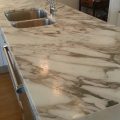 Calacatta Gold Marble Countertop with Spotting Finish Imperfections
 Caesar Stone Pits On Surface Repair
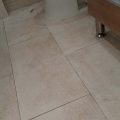 Limestone Bathroom Floor with Dirty Spots and Grime Before Cleaning
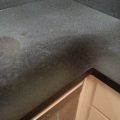 Dull Black Corian Countertop with Watermarks Before Cleaning
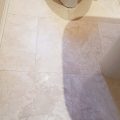 Cleaned Small Restroom Floor
 Caesarstone Nick Off Glued Back
 Quartz Countertop Waterfall Edge Chip Before Repair
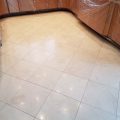 Dull Kitchen Floor Before Cleaning and Polishing
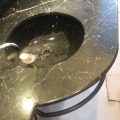 Black Marble Double Sink Vanity with Crack – Before Repair